
 +86 -0574-62268622


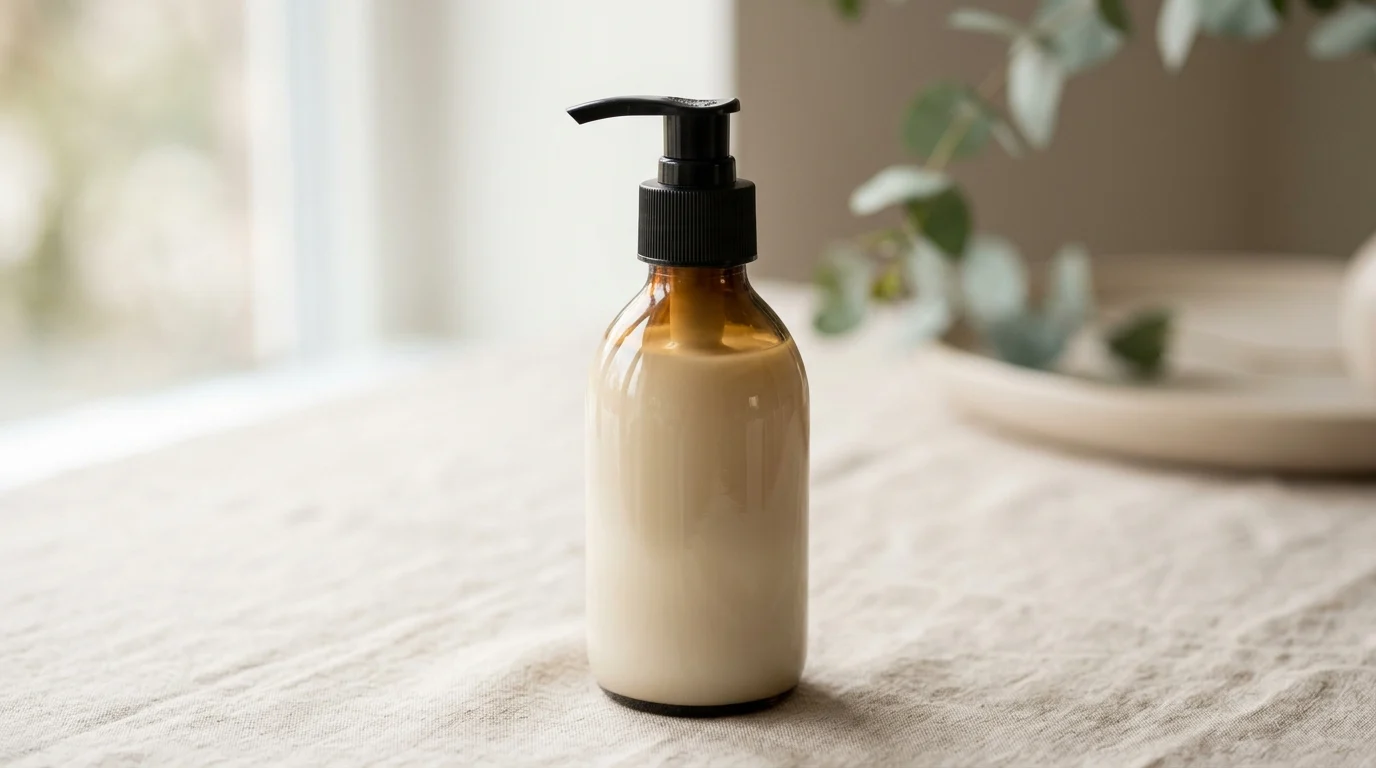
A lotion pump may look like a small packaging detail, but it directly affects product performance, hygiene, waste, and customer satisfaction. For brands selling creams, soaps, sanitizers, or cosmetic formulas, the pump must do more than dispense—it has to handle viscosity, deliver a consistent dose, fit the bottle correctly, and protect the product from unnecessary contact. The wrong choice can lead to leaks, clogs, poor user experience, or recycling complications. This guide explains where lotion pumps are used, how their piston-and-vacuum mechanism works, which formulas they suit best, and what specifications matter when selecting one for commercial packaging.
Lotion Pump Uses and Value
At its most basic level, a lotion pump is a tool designed to help consumers easily and cleanly dispense thick liquids from a bottle. Common consumer, medical, industrial, and food-service applications include daily face moisturizers, heavy body butters, liquid hand soaps, and bulk sanitizers. In these uses, pumps eliminate the need to shake or squeeze the container. Beyond the bathroom counter, they serve as the primary dispensing mechanism for viscous products across personal care, cosmetics, pharmaceuticals, and household chemicals. Unlike standard mist sprayers or simple flip-top caps, these mechanical pumps are engineered specifically to handle thicker formulations. They ensure precise, controlled dispensing while reducing air exposure and user contact compared to open containers—which helps minimize the risk of bacterial contamination, even if it does not guarantee absolute sterility.
How Lotion Pumps Dispense Viscous Formulas
The internal architecture of these dispensers relies on a calibrated mechanical vacuum and piston displacement system. When the external actuator (the pump head) is depressed, the internal spring compresses, pushing a piston downward to expel the liquid trapped within the housing chamber. Upon release, the spring recoils, creating a vacuum that pulls a glass or stainless-steel ball valve upward. This draws new liquid up through the dip tube to prime the chamber for the next use.
This system is calibrated to dispense formulas across a wide range of dynamic viscosities (thicknesses). This operational flexibility allows a single pump design to accommodate everything from lightweight hydrating serums to heavy, lipid-rich body butters. However, standard lotion pumps have practical limitations. They are generally unsuitable for low-viscosity (watery) liquids like toners or pure oils, which can leak through the pump mechanism. Additionally, formulas heavily laden with particulates, such as exfoliating scrubs, run the risk of clogging the narrow dip tubes and internal valves.
Commercial Benefits for Cosmetic Brands
For cosmetic brands, the packaging interface is a critical component of brand identity and the overall user experience. A high-quality pump ensures consistent, repeatable dosing, which prevents frustrating product waste and enhances long-term consumer satisfaction. By delivering exact amounts per stroke, brands can better predict the product lifecycle and encourage repurchase cycles.
Furthermore, modern sustainability mandates and eco-conscious consumer preferences have driven the rapid industry adoption of the recyclable plastic lotion pump. This design replaces traditional metal springs and glass ball valves with advanced polymer alternatives, such as polyolefin elastomers. While all-plastic pumps may exhibit a slightly different actuation feel or longevity compared to metal-spring versions, the entire dispensing unit can often be placed into the recycling stream without requiring the end-user to disassemble the components. It is important to note, however, that actual recyclability ultimately depends on the capabilities of regional sorting facilities rather than design alone.
Key Lotion Pump Specifications
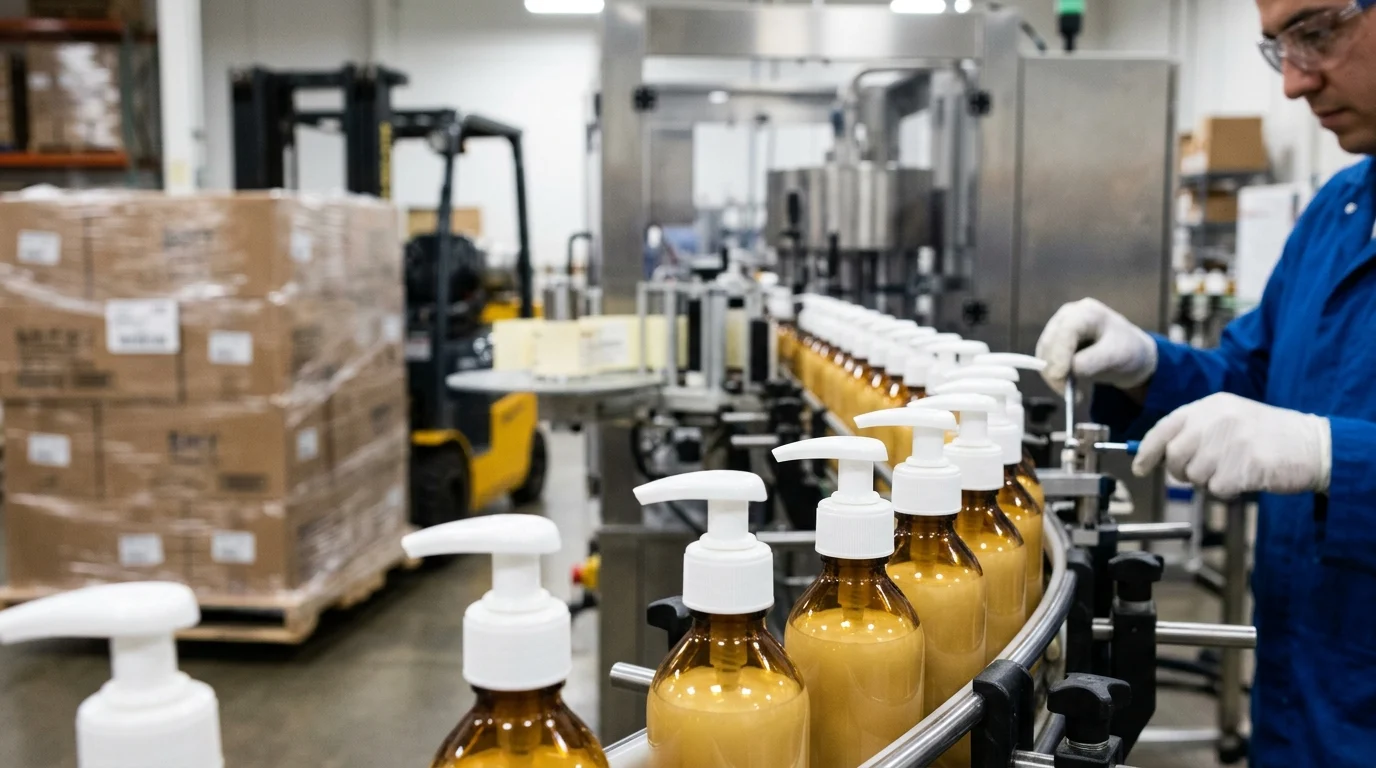
Specifying the correct pump requires meticulously matching the dispensing hardware to both the primary container's neck finish (the specific threading and dimensions of the bottle's opening) and the specific rheology (the flow behavior of the liquid under pressure) of the bulk formulation. Overlooking these technical specifications during the packaging development phase can lead to functional failures, including in-transit leakage, poor priming, or complete mechanical breakdown during consumer use.
Output Dosage, Closure Size, and Compatibility
Standard closure sizes in the packaging sector are governed by industry neck finish standards. Sizes such as 24/410, 28/410, and 33/410 represent the most prevalent dimensions in commercial liquid applications, dictating both the diameter and the thread style for secure sealing.
Output dosage per stroke is equally vital and typically ranges from industry averages of 1.0cc to 1.2cc for highly concentrated facial care products, scaling up to 2.0cc or 4.0cc for body washes, and reaching upwards of 30.0cc for industrial-sized chemical dispensers. Additionally, the dip tube length must be precisely calculated to match the bottle's internal geometry, maintaining strict factory cutting tolerances. This precision ensures maximum product evacuation without the tube bottoming out and sealing itself against the container bottom.
Comparison of Common Lotion Pump Types
Selecting the optimal dispensing mechanism depends heavily on the product's end-use environment, shipping requirements, and sustainability goals. Brands must evaluate the locking mechanism alongside the material composition to ensure the packaging aligns with consumer expectations. Note: Output ranges and lock mechanisms vary by manufacturer, and the "ideal" applications listed below are general guidelines rather than absolute rules.
| Pump Type | Typical Output Range | Key Mechanical Characteristic | Ideal Commercial Application |
|---|---|---|---|
| Standard Lock-Down | 1.5cc - 2.0cc | Actuator must be fully depressed and twisted to engage the lock | Retail body lotions and bulk shampoos |
| Lock-Up (Clip Lock) | 1.0cc - 2.0cc | Locks securely in the upward position, often utilizing a removable safety collar | Premium facial creams and travel-friendly items |
| All plastic lotion dispenser | 1.2cc - 2.5cc | Contains zero metal components; utilizes polymer springs for a mono-material design engineered for recyclability | Eco-conscious brands and sustainable skincare lines |
| High-Output / Gallon | 4.0cc - 30.0cc | Features an extra-large housing chamber for heavy, bulk dosing | Salon-grade haircare and industrial sanitizers |
Sourcing and Supplier Selection
For brands and packaging professionals, securing a reliable supply chain for a lotion dispenser pump requires rigorous vetting of global manufacturing partners. The procurement process must carefully balance cost-efficiency with rigorous quality assurance protocols to prevent downstream component failures that could trigger costly product recalls.
Sampling, Testing, and Validation Steps
Before advancing to mass production, comprehensive compatibility testing between the pump and the bulk liquid is mandatory. Formulations are typically tested with the pump components at elevated temperatures over extended periods, in accordance with industry standards, to identify any adverse chemical interactions, stress cracking, or discoloration of the polymer components.
Mechanical validation includes rigorous prime testing; a high-quality unit should generally require no more than a few initial strokes to achieve consistent product flow.
Key Takeaways
- Use lotion pumps for viscous products such as moisturizers, body butters, liquid soaps, sanitizers, and creams rather than watery formulas.
- Match the pump’s neck finish, dip tube length, and output dose to the bottle and product formula before production.
- Avoid standard lotion pumps for thin liquids or formulas with heavy particulates because they may leak or clog.
- Choose high-quality pumps to deliver repeatable dosing, reduce product waste, and improve the consumer experience.
- Consider all-plastic recyclable pump designs when sustainability is a priority, but verify whether local recycling systems can process them.
Frequently Asked Questions
What products are lotion pumps best used for?
Lotion pumps are best for medium-to-thick liquids such as face moisturizers, body lotions, hand soaps, sanitizers, creams, and some household chemicals.
How does a lotion pump work?
Pressing the pump head moves a piston that dispenses product from the chamber. When released, a spring creates suction that pulls more liquid up through the dip tube for the next use.
Can lotion pumps be used for watery liquids?
Usually not. Low-viscosity liquids like toners, pure oils, or very thin formulas may leak through standard lotion pump mechanisms and often require a different closure or sprayer.
Are lotion pumps more hygienic than jars?
Yes, they reduce direct hand contact and limit air exposure compared with open jars, which can help lower contamination risk. However, they do not make a product completely sterile.
Why do lotion pumps clog?
Clogging can happen when formulas contain exfoliating particles, dry at the nozzle, or are too thick for the pump’s dip tube and valve design.