
 +86 -0574-62268622


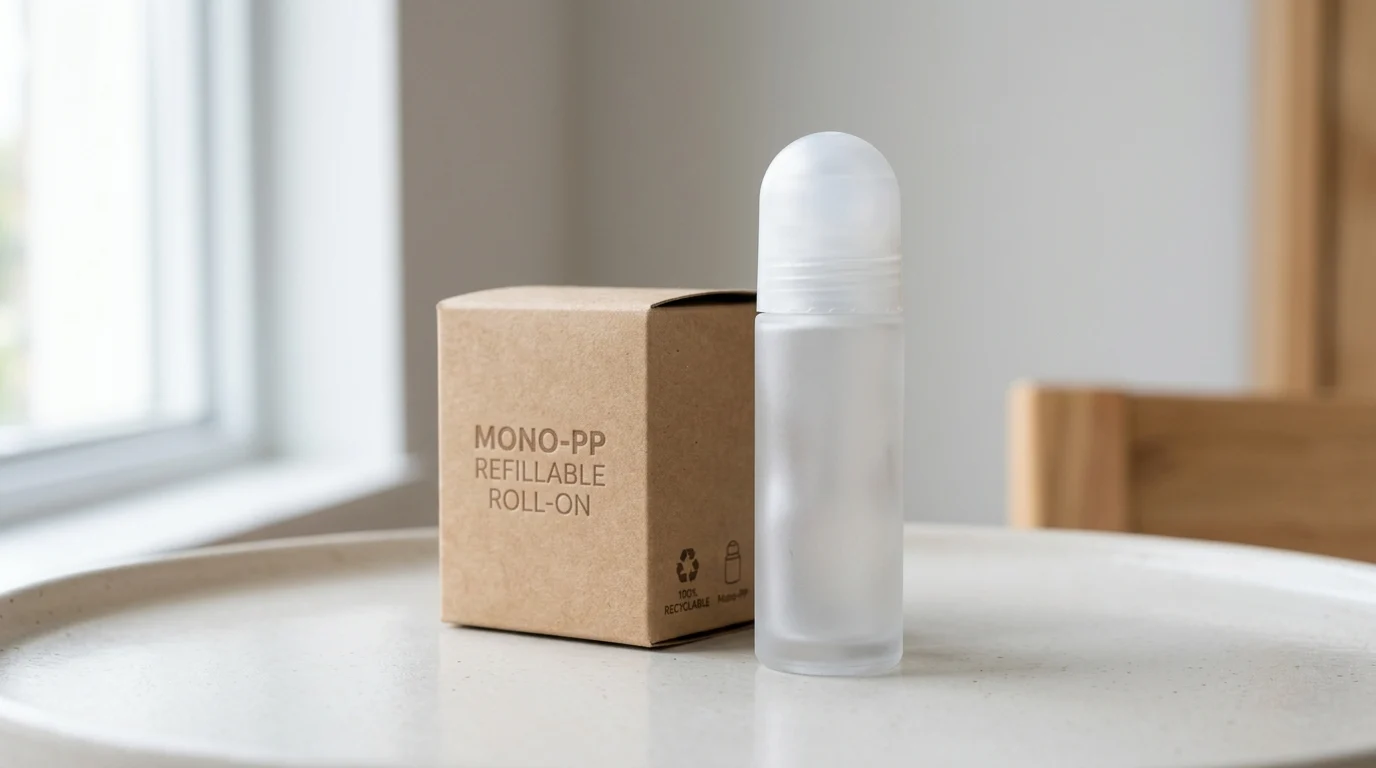
In Indonesia’s year-round heat and humidity, deodorant is less a beauty extra than a daily essential—and that makes its packaging a high-volume sustainability challenge. As regulators target a 70% reduction in marine plastic debris and consumers become more aware of waste, brands need formats that perform under tropical conditions while supporting circularity. Mono-PP refillable roll-on bottles offer a practical response: durable enough for repeated use, simpler to recycle than mixed-material packs, and compatible with refill systems that can cut plastic use significantly. This article examines why the format fits Indonesia’s climate, retail habits, cost sensitivities, and evolving environmental expectations.
Why Mono-PP Refillable Roll-on Bottles Fit the Indonesian Market
Indonesia's tropical climate, characterized by year-round temperatures averaging 28°C and high baseline humidity, creates a highly demanding environment for personal care products. In this climate, antiperspirants and deodorants function as non-negotiable daily commodities rather than discretionary cosmetics. However, as environmental awareness permeates the Southeast Asian consumer base, the industrial packaging sector is undergoing a necessary evolution.
Mono-PP (polypropylene) refillable roll-on bottles have emerged as a highly effective packaging solution for this market. By balancing the rigorous functional demands of high-heat environments with growing circular economy initiatives, these single-polymer structures offer a scalable upgrade for regional and multinational brands operating in the archipelago.
Market Drivers for Refillable Deodorant Packaging
The transition toward refillable personal care packaging in Indonesia is driven by both economic and ecological imperatives. The Indonesian government has established a definitive target to reduce marine plastic debris by 70% by the year 2025, and emerging Extended Producer Responsibility (EPR) developments are pushing packaging engineers rapidly away from single-use plastics.
Refillable architectures allow consumers to purchase a durable primary container featuring a screw-off fitment, which can be easily replenished via pouch-to-bottle transfer. While these refill pouches typically require 60% to 75% less plastic by weight, they often remain single-use, meaning the system's true environmental benefit relies entirely on consumers actually repurchasing the refills. In a retail landscape dominated by price-sensitive channels like warungs (traditional kiosks) and e-commerce, this structural shift drastically reduces the cost per milliliter of the formulation over the product's lifecycle, directly appealing to the purchasing habits of the rapidly expanding middle class.
Lessons From Mass-Market Roll-on Deodorant Brands
Evaluating mass-market dynamics reveals crucial operational data for new entrants. Legacy deodorant roll-on bottle deployments in Indonesia typically rely on 35 ml to 50 ml capacities, precisely optimized for a 30-day usage cycle. Multinational brands have demonstrated that implementing a robust refill mechanism requires highly precise engineering.
The primary housing must withstand multiple disassembly and reassembly cycles without compromising the hermetic seal. Furthermore, high ambient temperatures dictate that the applicator housing must flawlessly prevent the volatilization of active antiperspirant compounds. Next-generation mono-material designs are specifically engineered to meet these thermal and mechanical thresholds while maintaining a premium consumer feel.
Mono-PP vs Traditional Mixed-Material Roll-on Bottles
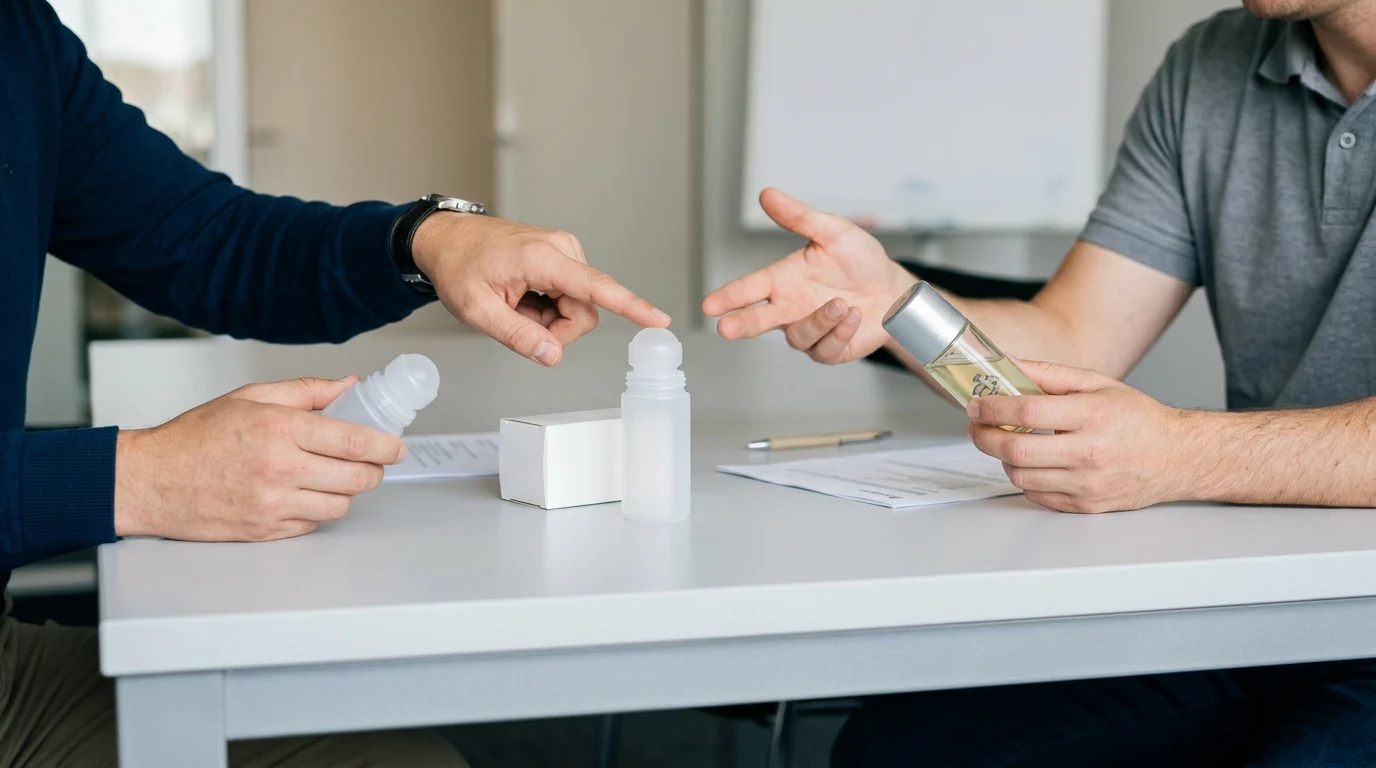
The fundamental challenge with historical deodorant packaging lies in its complex, multi-material construction. A standard roll-on unit often incorporates a polypropylene (PP) body, a high-density polyethylene (HDPE) fitment, an acrylonitrile butadiene styrene (ABS) cap, and occasionally a glass or polystyrene roller ball.
This mixed-polymer profile renders end-of-life recycling economically unviable due to the high labor and energy costs associated with material separation at municipal recovery facilities.
Key Design and Material Differences
Transitioning to mono-material roll-on packaging helps resolve these systemic recycling barriers. By utilizing 100% Polypropylene (PP) across all components—the bottle, cap, fitment, and the roller ball—manufacturers create a unified product designed for single-stream recycling, provided compatible labels and adhesives are used. However, it is important to note that while mono-material design is a necessary condition for recyclability, actual recovery depends heavily on Indonesia's currently limited municipal PP sorting infrastructure.
Polypropylene offers an excellent moisture barrier, boasting a typical industry benchmark Water Vapor Transmission Rate (WVTR) of approximately 0.5 g/m²/day, which is critical for preserving liquid formulations in humid climates. Achieving a highly functional mono-PP design requires advanced injection blow molding techniques. Manufacturers typically report maintaining strict dimensional tolerances (often ±0.1 mm) between the housing and the ball to guarantee smooth dispensing while preventing fluid leakage under thermal expansion. While a 100% PP roller ball ensures design uniformity, brands should note it may offer a slightly different skin-feel or glide compared to traditional glass or stainless steel.
Recyclability, Cost, and User Experience Comparison
The operational and environmental differences between these packaging strategies are substantial. Mono-PP configurations streamline the supply chain by consolidating raw material procurement and eliminating complex multi-material assembly lines. The following illustrative benchmarks highlight typical contrasts reported by packaging manufacturers:
| Metric | Traditional Mixed-Material | Mono-PP Refillable (Illustrative) |
|---|---|---|
| Component Materials | PP, HDPE, ABS, Glass | 100% Polypropylene |
| Theoretical Recyclability | < 15% (Requires separation) | > 95% (Single-stream design)* |
| Carbon Footprint (CO2e/unit) | ~45g | ~32g (28% reduction) |
| Assembly Defect Rate | 1.2% - 1.8% | < 0.5% |
| Refill Cycle Durability | Low (not designed for reuse) | High (validated for 5+ cycles) |
*Note: Actual recycling rates depend heavily on local municipal collection and sorting capabilities.
Implementing a mono roll-on bottle not only improves the theoretical sustainability profile but also enhances user experience through consistent applicator friction and reliable cap threading over extended periods of reuse.
How Brands Should Source and Validate Mono-PP Roll-on Bottles
Transitioning a product line to mono-material refillable systems requires rigorous supply chain auditing. Brand owners targeting the Indonesian demographic must align with manufacturing partners capable of delivering high-precision molding at scale.
Ensuring that the critical interface between the roller ball and the fitment performs flawlessly under both high temperatures and mechanical stress during refill cycles is paramount to protecting brand equity.
Supplier Evaluation and 35 ml Format Considerations
Strategic procurement relies on identifying vendors with proven expertise in single-polymer engineering. Partnering with established cosmetic packaging manufacturers—such as illustrative partner Ningbo Yolanda Spray Co., Ltd., which specializes in custom roller bottles and dispensers—can help ensure these technical requirements are met.
When sourcing a plastic roller bottle with a ball, volumetric sizing is a primary consideration. The 35 ml to 50 ml format is the optimal sweet spot for the Southeast Asian market, balancing portability for daily carry with sufficient volume for an extended use cycle. Beyond sizing logic, brands must also navigate sourcing logistics. Industrial buyers should expect typical manufacturer ranges for Minimum Order Quantities (MOQs) to fall between 10,000 and 30,000 units, with production lead times averaging 25 to 35 days depending on custom color-matching and surface finishing requirements.
Key Takeaways
- Design refillable roll-on bottles for Indonesia’s hot, humid climate by prioritizing leak resistance, thermal stability, and protection against formula volatilization.
- Use 35 ml to 50 ml bottle capacities to match the familiar 30-day deodorant usage cycle in Indonesia’s mass-market channels.
- Adopt mono-PP construction across the bottle, cap, fitment, and roller ball to improve compatibility with single-polymer recycling streams.
- Pair durable primary bottles with refill pouches that use 60% to 75% less plastic by weight to reduce material consumption over repeat purchases.
- Make refill economics clear for price-sensitive shoppers in warungs and e-commerce by emphasizing lower cost per milliliter over the product lifecycle.
- Avoid mixed-material combinations such as PP, HDPE, ABS, glass, or polystyrene when recyclability and end-of-life recovery are core packaging goals.
Frequently Asked Questions
Why are refillable roll-on bottles especially relevant in Indonesia?
Indonesia’s average heat of around 28°C and high humidity make deodorant a daily necessity, while rising sustainability expectations are pushing brands toward packaging that reduces single-use plastic.
What makes mono-PP roll-on bottles easier to recycle?
Mono-PP bottles use polypropylene across the body, cap, fitment, and roller ball, reducing the need to separate mixed plastics before recycling.
How much plastic can refill pouches save?
Refill pouches can use about 60% to 75% less plastic by weight than full replacement bottles, though the benefit depends on consumers consistently buying refills.
What bottle size works best for mass-market deodorants in Indonesia?
Common roll-on deodorant formats in Indonesia are typically 35 ml to 50 ml, aligning with about a 30-day usage cycle for everyday consumers.
Why are mixed-material roll-on bottles harder to recycle?
Traditional bottles often combine PP, HDPE, ABS, glass, or polystyrene, making material separation costly and impractical for many recycling systems.